Choosing to focus their ocean study on these colossal sea creatures, they discussed how to best learn about them.
"We could go to the library."
"We could invite a whale scientist to our school."
"We could go to the aquarium."
"Maybe we could go see the whales in the ocean."
Being a school that truly believes in learning through doing combined with the close proximity of whales to Seattle made it almost impossible to imagine not adventuring into the Puget Sound to learn as much as we could about these sea creatures. During our preparation for our journey with children throughout the school, we studied maps of Puget Sound and its islands and traced the migration routes of gray, killer, minke and humpback whales through these waters. We learned how to identify different whale and dolphin species by the color of their flukes and size of their dorsal fins. We studied the vast variety of seabirds that roam our coastlines as well as the seals and fish that make the Puget Sound their home. We learned about the different orca pods and how their numbers have grown and declined over the years. And, we prepared ourselves to spend a day on the water searching for marine life.

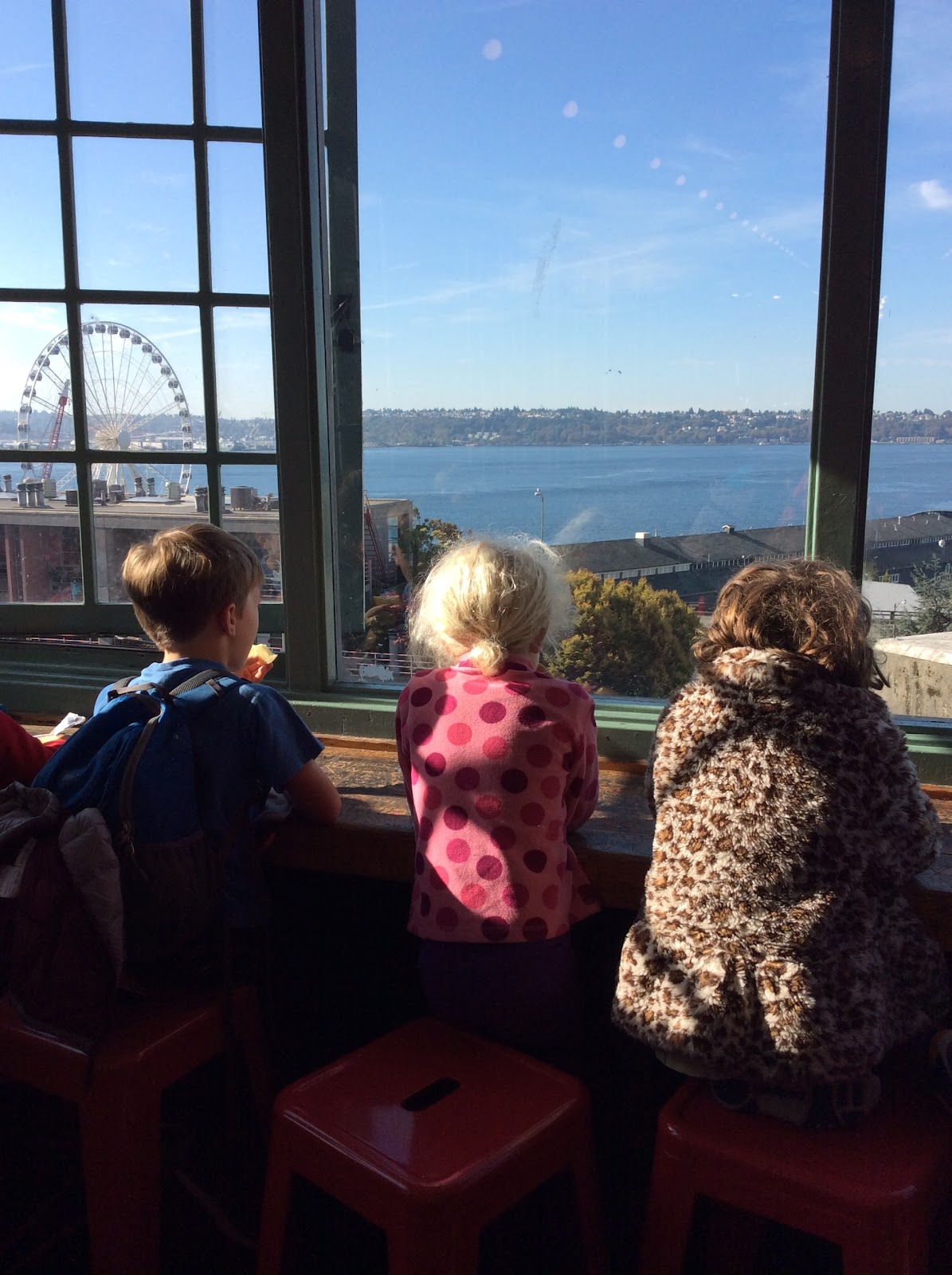
On November 6, we were welcomed aboard the Chilcat Express, a catamaran capable of reaching speeds of 40 miles per hour. After a quick introduction from our captain and crew and a discussion of the possible marine life we might encounter, we exited the harbor ready for the hide and seek game that might give us a glimpse of the whales and other ocean life we had been studying for almost a month. Skipping quickly over the dark waves we pressed our faces to the windows in great anticipation of what might emerge from below.


Within thirty minutes, our captain informed us that there was chatter on the radios about orcas not far from our location. As Seattle disappeared in the East, our boat skirted around islands and beaches and suddenly came to a stop. All was quiet as we made our way outdoors onto the bow of the boat. Binoculars appeared as we scanned the surface for activity.

And then we saw it, a single dark dorsal fin, signaling the presence of one of the Northwest's most iconic species. The naturalist aboard our boat knew the orca's identity within seconds and began telling us the story of the whale and her pod. Her story was interrupted by the arrival of several other female orcas, rising above the surface with such grace, it was difficult to imagine their enormous weight and length.
 For many of us aboard the Chilcat Express, this was our first time being so close to a wild animal of such size and power. Shouts of joy erupted as our excitement grew:
"There! Over there! No, look there! Oh my! Wow, look at that one!! They're coming closer!"
Within ten minutes it felt as though we were surrounded by orcas. They surfaced in every direction, swimming in beautiful synchrony. Soon, larger individuals began breaching, lifting their entire bodies out of the waves, twisting in mid air before crashing down and disappearing again. The six-foot-tall dorsal fin of a male orca sliced through the water, as a mother orca surfaced with her calf just 100 feet from out boat. Even the captain and crew seemed surprised by the number of orcas and their willingness to approach our location. As a female approached the left side of our boat, we grew quiet and were reminded by the naturalist aboard that the orcas could see and hear us as well as we could see and hear them. As if she desired a closer glimpse of us, she broke the surface within ten feet of our boat, fiercely blowing water through her blow hole and immediately inhaling a new breath of air. We won't ever forget that sound.


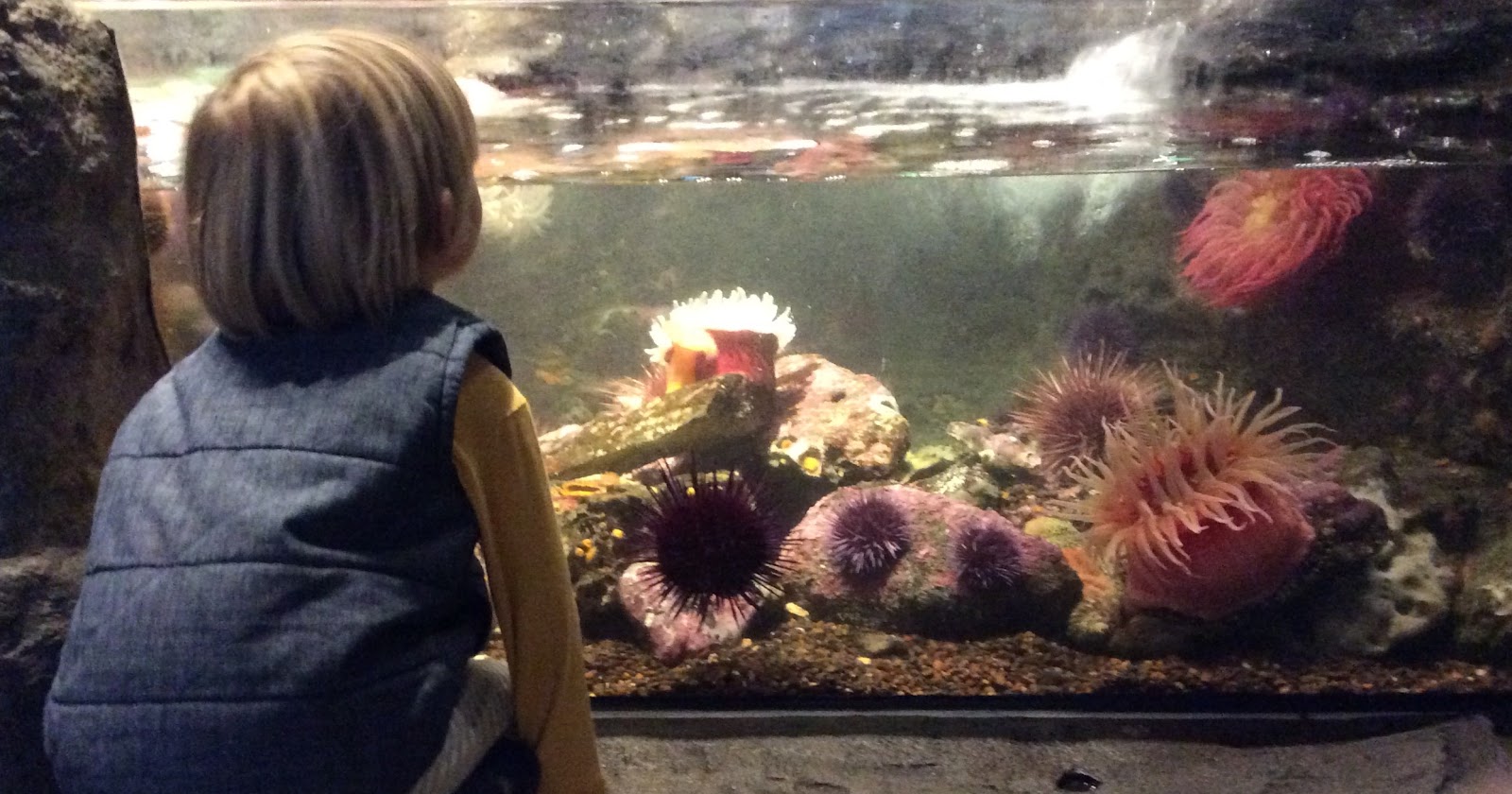
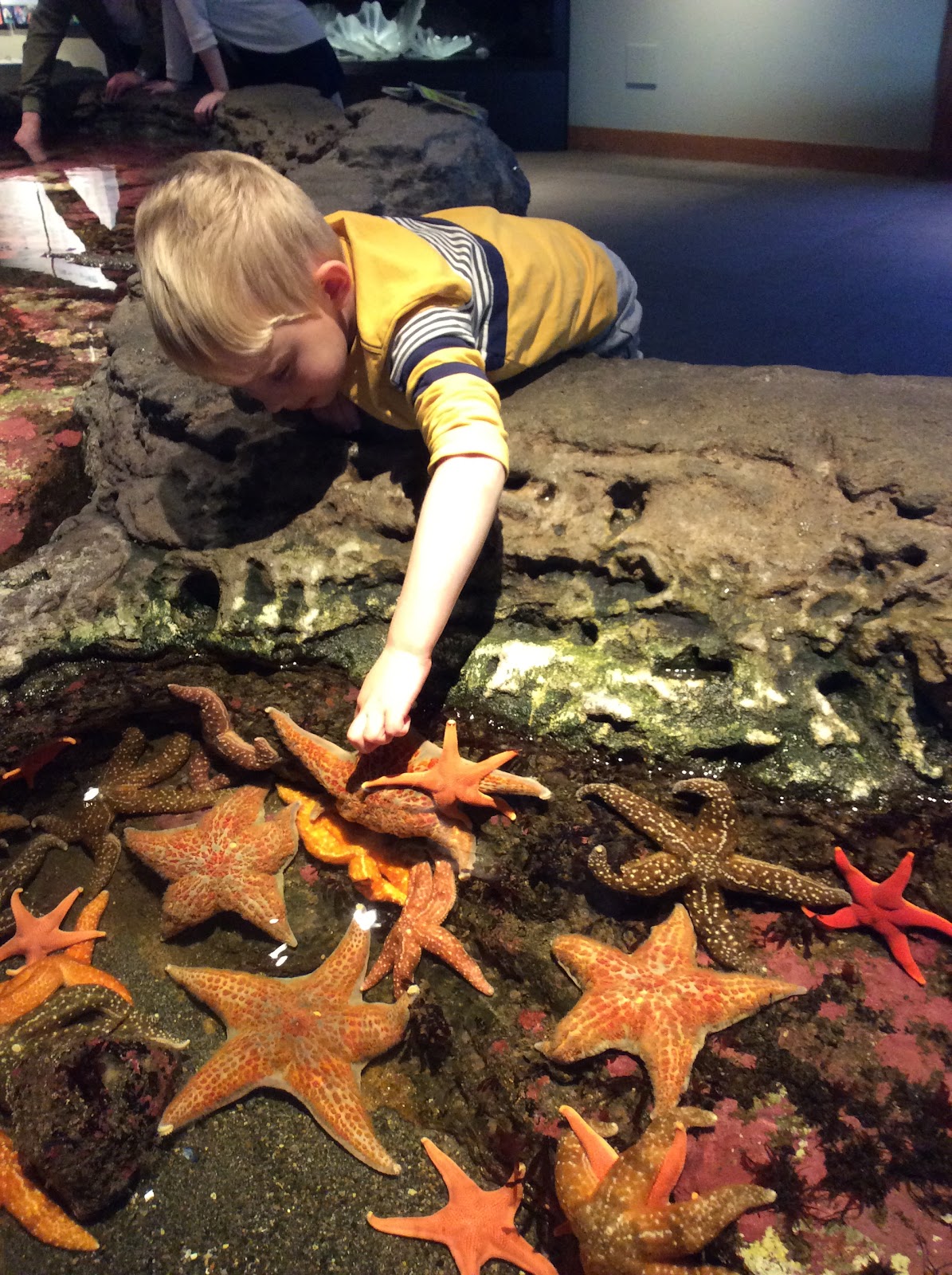
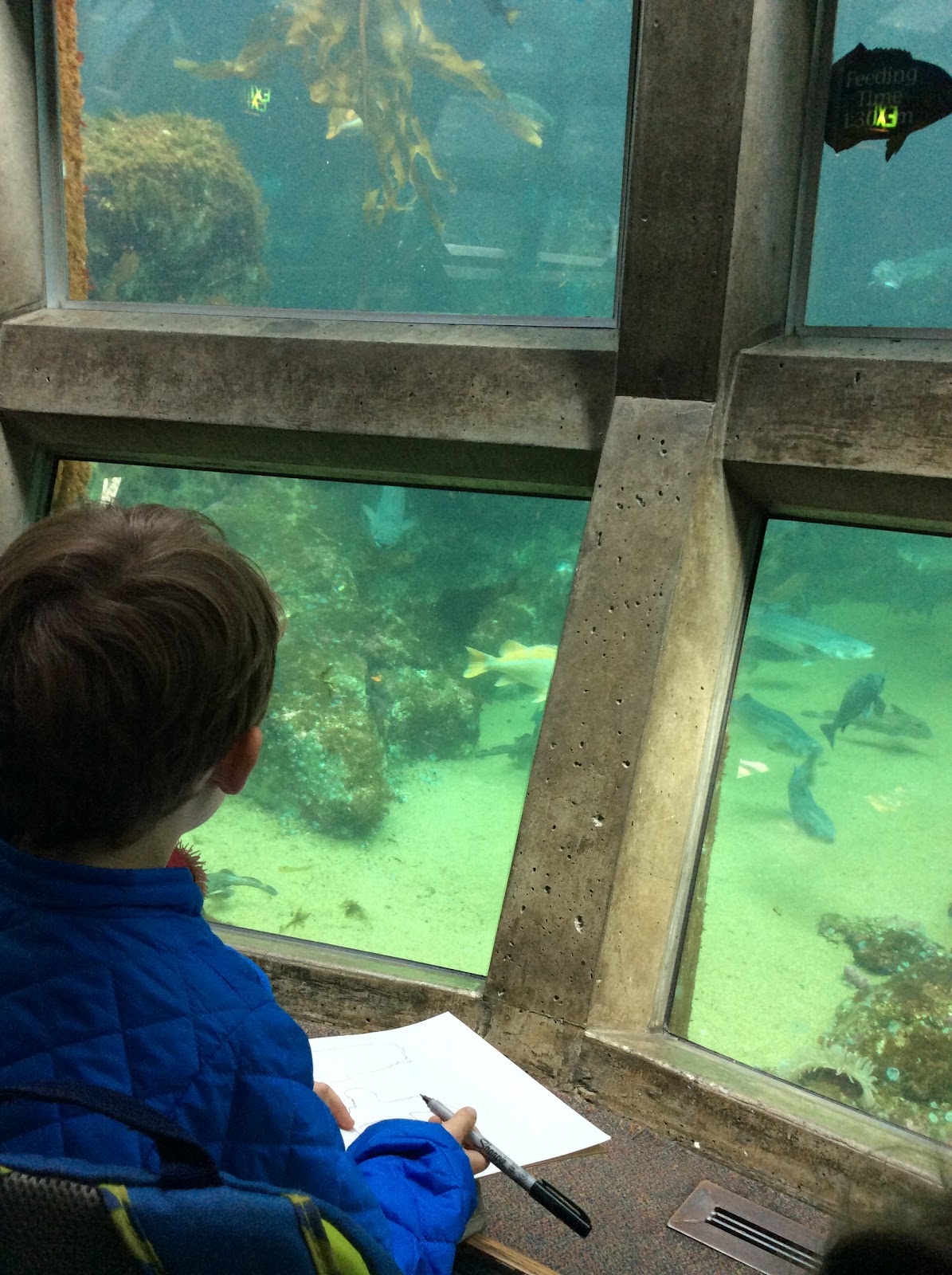
 After an hour of watching the orca families dance around us, we set sail for Port Townsend. There, we played on the beach, immediately drawn to the enormous strands of kelp, driftwood and seashells. We were welcomed in the Marine Sciences Museum where different groups of students flocked to exhibits on cephalopods, tide pools, cetaceans and plankton. While some of us quietly observed the fully articulated orca skeleton in complete awe, others gently stroked anemones and starfish in a cold touch pool. The museum offered so much to explore. We all left hoping to return another day.
Before returning to Seattle, we slowly cruised through a narrow channel where bald eagles lined the firs and pines beside us. Enormous seals hauled their bodies out of the salty currents to rest upon buoys. Their barks and grunts brought smiles and laughter.


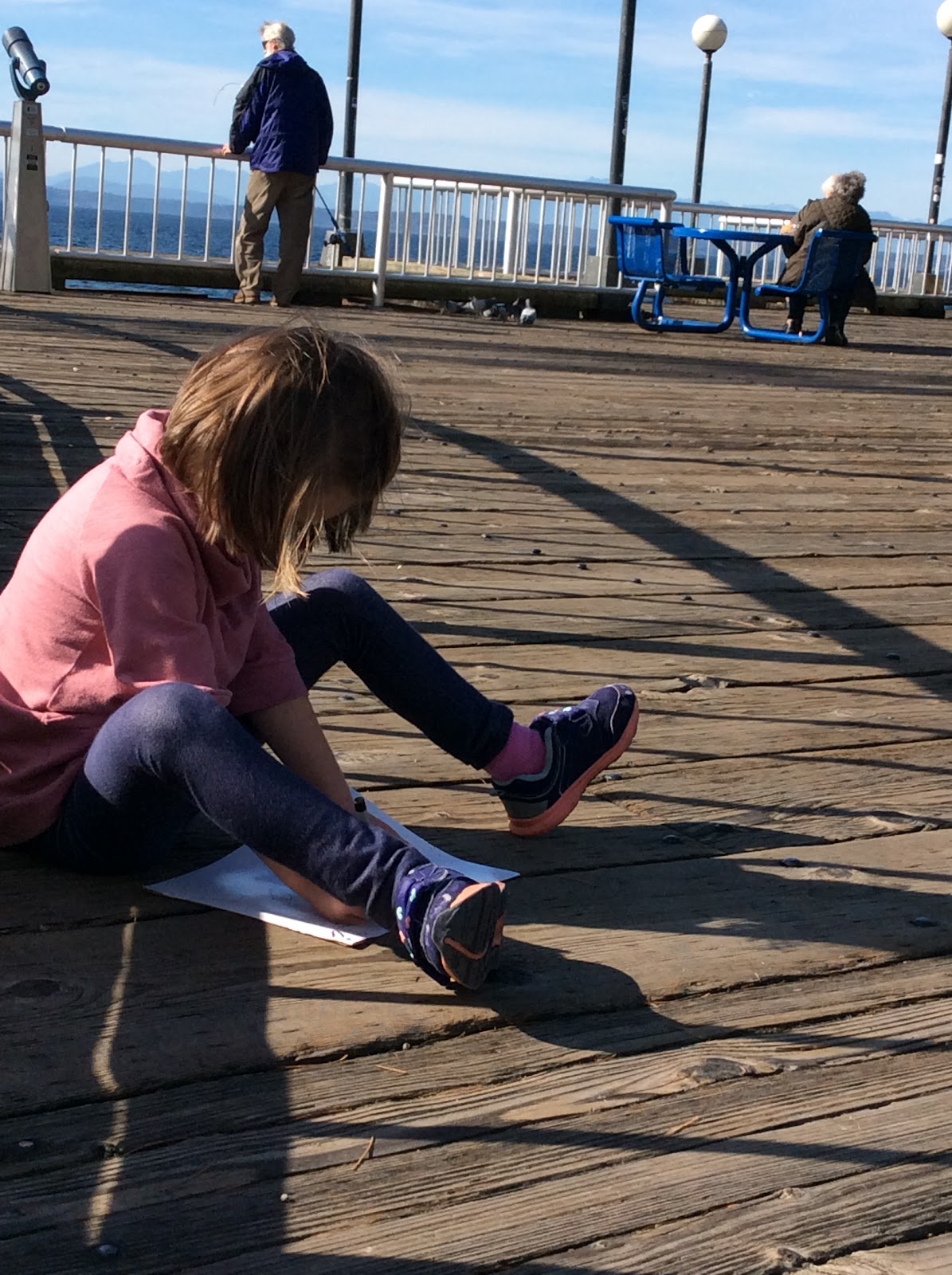
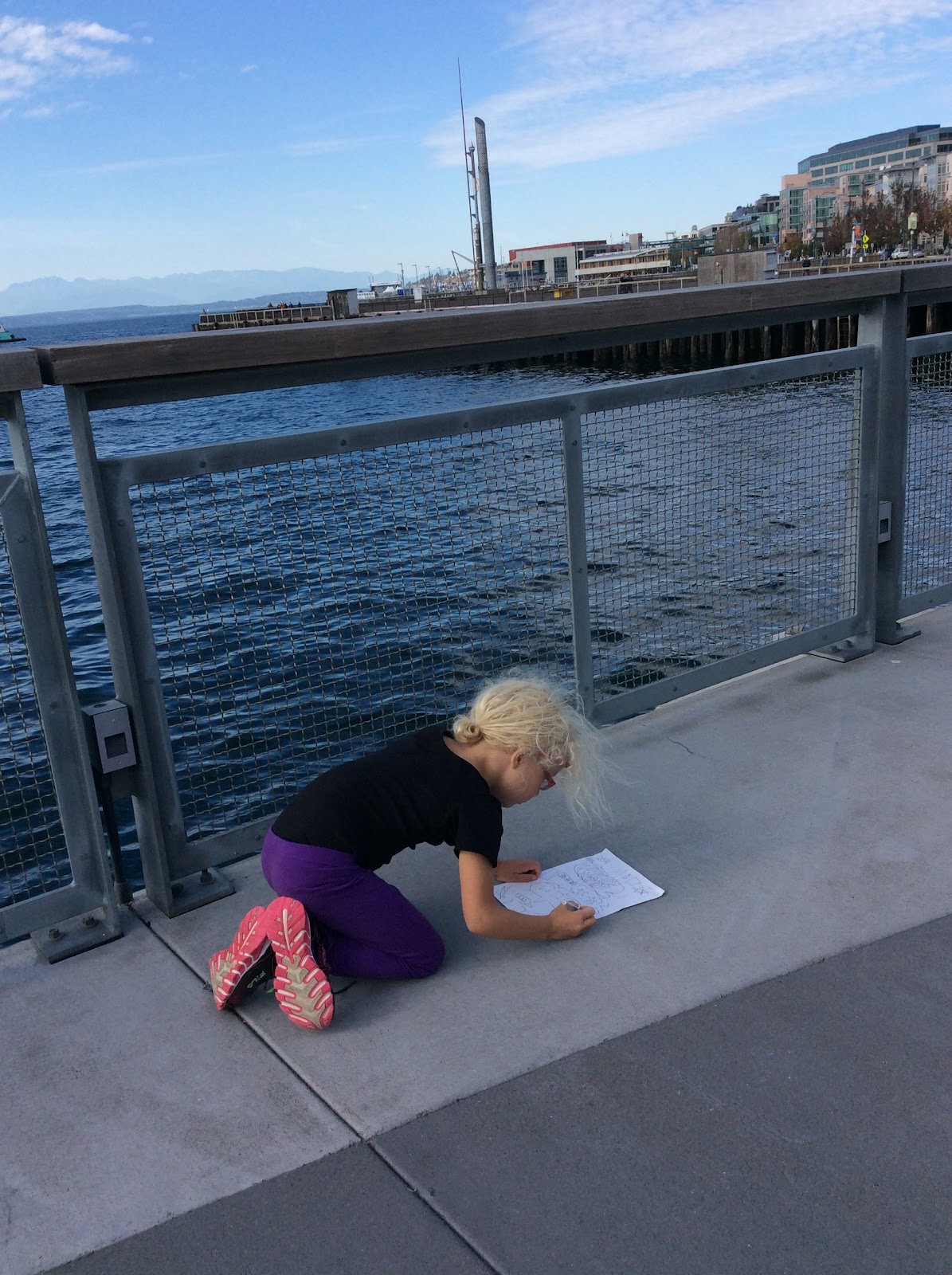
 Settled back at school the following week, we all took time to reflect upon our time in the Puget Sound. We pondered, "Why are orcas special?" "Why are whales important for the ocean?" "Why should we care about the ocean and its life?" "Why does the ocean need our help?" The children drew pictures and wrote poems to share their thoughts and feelings on these questions.
Oceanographer Sylvia Earle says, "You have to love it before you are moved to save it."
We know that it's when we care about our ocean and its species that we do what we can to protect them. We all came away from our day on the ocean with a heightened understanding of the complexity and fragility of our ocean. We came away with a newfound curiosity for the life we saw and touched. And we came away and continue to talk about our love for the orcas that also need our recognition and our help. All of us look forward to visiting the ocean again soon.